In my time walking the Gaulish Path, I’ve noticed that two gods often feel strangely distant: Ogmios and Lugus. Not because they lack importance, but because people aren’t always sure how to approach them. Ogmios carries an intimidating weight — an old god whose eloquence binds hearts. Lugus, vast in his domains, is sometimes reduced to “crafts,” even though his reach extends far beyond that.
Yet these two share a powerful theme at their core, and that is speech — the sacred word, the breath that moves between worlds. Understanding how they differ helps us understand our own voices better.
Îanolabâ — Right Speech as Virtue and Devotion
If we look further back, into the deep roots of Proto-Indo-European thought, we find that speech itself was seen as a cosmic force. Across Indo-European cultures, the spoken word:
upheld truth and cosmic order
carried magical and ritual power
established sovereignty and law
acted as a bridge between humans, gods, and ancestors
preserved memory, identity, and tradition
In other words, the ancients believed that speech didn’t just describe reality — it shaped it.
Understanding speech helps illuminate one of our Îanoi — Îanolabâ, right speech. In light of PIE cosmology, this virtue becomes more than ethics; it becomes a sacred principle that maintains order, honors the gods, and sustains our community. Speech is the foundation of everything we do. It shapes our relationships, our rites, our teachings, and our shared identity. The other virtues naturally gather around it — flowing from how we speak and the intentions we carry. When we strive for right speech, we’re not only being mindful with our words; we are aligning ourselves with the powers of clarity and eloquence. We learn when to speak with light, and when to speak with resonance. We learn how to communicate truth and how to speak with heart.
This worldview helps us understand why Lugus and Ogmios take on such distinct roles. They are not redundant; they are two essential expressions of the sacred word.
Lugus: The Clarifying Word
Within this broader Indo-European frame, Lugus embodies the ordering and illuminating side of speech. His words teach, clarify, and bring hidden patterns into form. This is the speech of sovereignty — not rulership by force, but rulership by communication, insight, and instruction.
His speech is the cosmic “lamp”: the word that reveals, organizes, and connects.
Lugus is communication. His power is in how words clarify — teaching, instructing, crafting meaning, and passing knowledge from one mind to another. He is speech as connection, structure, and shared understanding.
Ogmios: The Binding Word
Ogmios, meanwhile, expresses the magical and compelling current of speech. Lucian’s image of golden chains from his tongue to the ears of followers reflects a very old Indo-European idea: that skilled speech has the power to bind, persuade, enchant, and direct the will.
This is the speech of charisma, of spellcraft, of influence. The word that pulls, moves, and reshapes hearts.
His speech is the “chain”: the word that captivates, persuades, and carries emotional force.
Ogmios is eloquence. His power is in how words move people — the charm, the persuasion, the emotional pull. He is the art of speaking in a way that binds hearts and compels attention.
When we strive for Îanolabâ, we’re aligning ourselves with both Lugus and Ogmios:
with Lugus, speaking with clarity, honesty, and understanding
with Ogmios, speaking in ways that inspire, encourage, and move the heart
Îanolabâ becomes both a discipline and a devotion — a daily practice shaped by these two divine voices.
The Sacred Word as Lamp and Chain
In the end, both gods show us that speech is more than breath — it is power, connection, and the shaping of our world. Ogmios stands as the Dêuos of Speech, the one whose eloquence binds hearts and moves the soul. Lugus, vast in scope, is the Dêuos of Many Skills, whose clarity, craft, and communication illuminate the path of knowledge and right action. Together they show us that the sacred word has both depth and direction, and that our practice is enriched when we learn to honor that current. To speak with truth and to speak with heart — this is the gift they place in our hands. And perhaps one of our tasks as Galatis is learning how to speak in a way that honors the cosmos around us so we can teach with clarity and to inspire with heart.
Within Bessus Nouiogalation, we honor many Dêuoi (Gods) and Dêuâs (Goddesses), Cintuxtoi (The first Ones), and Biuiti (Being, Creatures, Entity), each with their own nature, essence, and presence. On our site, you will find sections dedicated to them. There is much to explore, and it may take some time to navigate and reach the heart of how each one serves within our Bessus.
What I have done here is taken our main write-ups and simplified them, making it easier to get to the point — to offer a clearer understanding of their place and function within our living tradition.
This does not mean that this is the only way to view them, for they are beyond identification and beyond words. Nor does it mean that you yourself might not focus on different aspects of them within your own home or practice. Rather, this list serves as a guide to understanding how they are approached and honored within the framework of our Bessus.
Dêuoi (Gods) and Dêuâs (Goddesses)
Abnobâ – Guardian of the wilderness, guiding us to protect nature, honor the mysteries of the night, and embrace the ever-changing flow of life.
Aidonâ – Hearth Dêuâ, embodying the essence of fire as a source of warmth, spiritual connection, and communal unity.
Aisus – Celestial woodsman and Dêuos of Drus, teaching the care of sacred spaces, the proper execution of ritual, and the maintenance of cosmic order.
Ambicatus – Ancestral king and legendary leader, symbolizing the expansion of the Gauls, guiding the community through auspicious beginnings, and marking the historical and spiritual calendar.
Artiû – Dêuâ of bears and seasonal cycles, offering protection, wisdom, and guidance through the natural world and the hidden realms of dream and subconscious.
Auetâ – Dêuâ of fertility, motherhood, and midwifery, nurturing life, safeguarding children, and sustaining the vital cycles of growth and renewal.
Belinos – Primal Dêuos of cosmic balance, sustaining the Fire in Water beneath the World Tree and guiding prophecy and the unfolding of universal cycles.
Brigindû – Warrior and celestial protectress, safeguarding homes, tribes, and nations while upholding justice, law, and cosmic order.
Carnonos – Dêuos of liminality and thresholds, guiding travelers and souls, mediating between the sacred and ordinary, and navigating the spaces between worlds.
Catuboduâ – Guardian and guide of the fallen, overseeing transitions in death and escorting souls to the afterlife, especially those who meet valorous ends.
Celtînâ – Mother ancestor and partner of Ogmios, embodying strength, valor, and beauty while giving birth to Galatos, the eponymous founder of the Galatis.
Ðironâ – Dêuâ of healing, fertility, and liminal transitions, guiding physical, mental, and mystical restoration through springs, stars, and seasonal cycles.
Eponâ – Multifaceted Dêuâ of the Wild Hunt, fertility, sovereignty, and psychopomp, leading souls, nurturing the land, and ensuring harvests and winter solstice rites.
Gobannos – Divine smith and master craftsman, shaping both material and spiritual worlds while instructing in transformation and the magical art of creation.
Grannos – Solar Dêuos and healer, radiating warmth and illumination, curing ailments, and restoring vitality through sacred waters and far-reaching insight.
Lugus – Multifaceted Dêuos of craftsmanship, war, travel, oaths, and harvest, safeguarding sovereignty, prosperity, and the skills of the community.
Maponos – Youthful Dêuos of music, creativity, and healing, inspiring artistic expression and emotional renewal while connecting us to the Otherworld.
Materês – Cosmic nurturers and protectors of fate, guiding destinies, fostering growth, and maintaining harmony within the unfolding patterns of life.
Morisenon – Shapeshifting Dêuos of the sea and the unknown, guardian of transitions, revelation, and hidden knowledge, guiding those who seek truth through the mysteries of life, death, and the Otherworld.
Nantosueltâ – Dêuâ of prosperity, domesticity, and the cycles of life and death, nurturing both the living and the dead while guiding followers through the eternal rhythms of existence.
Nemetonâ – Guardian Dêuâ of sacred spaces and rituals, embodying the essence of sanctuaries, groves, and ceremonies, ensuring the presence of holiness wherever invoked.
Ogmios – Dêuos of eloquence, persuasion, and binding words, guiding followers in right speech (Îanolabâ) and serving as the ancestral patriarch of the Gauls.
Rosmertâ – Dêuâ of prosperity, harvest, wisdom, and prophecy, nurturing the land and its people while shaping the destiny of those who honor her.
Sucellos – Chthonic Dêuos of the earth, fertility, and boundaries, wielding a mallet to cultivate and protect the land while guiding the living and deceased through Antumnos.
Suleuiâs – Eternal guides and protectors, guarding the sanctity of homes, persons, and the decisions we make in daily life.
Taranis – Celestial father of storms and thunder, upholding cosmic order and bestowing the fundamental virtues (Îanoi) to guide existence.
Toutatis / Galatos – Guardian of the tribe and custodian of the community’s soul, shielding the people from harm and ensuring collective safety.
Cintuxtoi (The First Ones)
Dêiuos – The shining Sky Father, embodiment of Aððus, the Right Order of all things. He watches over the heavens and the turning of the cosmos, teaching the balance and harmony that govern both gods and people.
Litauiâ – The great Earth Mother, foundation of life and the breath of all that grows. She nurtures the soil, the forests, and every living being, holding the cycles of birth, growth, and renewal in her care.
Sonnos – The radiant Sun, whose fire awakens and empowers all life. He brings warmth, clarity, and illumination, guiding the day and energizing the land, the people, and the deeds they undertake.
Lugrâ – The Moon, guide of time, whose phases shape our months, sacred work, and nightly reflection. She rules the ebb and flow of tides, dreams, and the hidden rhythms of life.
Cauaroi – The Giants, primal forces of chaos and disorder. They test boundaries, challenge complacency, and remind all beings of the wild and unpredictable aspects of creation.
Biuiti (Being, Creatures, Entity)
Ueranadoi – Those Above, celestial watchers of the sky. They move unseen, guiding the heavens and lending their light to the paths of the living.
Bituatîs – Land spirits who dwell among the hills, forests, and fields. They whisper to those who listen, offering guidance and presence in the living world.
Abonatîs – Spirits of the rivers and flowing waters. They nurture life, connect the lands, and remind us of the ceaseless movement of time and renewal.
Acaunatîs – Spirits of the stones and rocks. Steadfast and enduring, they teach patience, resilience, and the quiet strength of the earth.
Allatatîs – Spirits of the wilds. They roam the forests and open spaces, untamed and free, reminding us of the beauty and power of nature beyond human order.
Uanderos – Wild centaurs, embodiments of freedom and the untamed spirit of the wilderness. They guide travelers and those who seek courage in the unknown.
Uiduiros – Wood-walkers, guardians of the deep forests. Mysterious and elusive, they teach respect for the wild and the primal rhythms of life.
Blâtuatîs – Spirits of the flowers, blossoms of fleeting beauty. They inspire wonder, gratitude, and the joy of life’s ephemeral moments.
Brigatîs – Spirits of the hills, perched high with watchful eyes. They protect the land and all who dwell upon it, offering stability and oversight.
Caitatîs – Children of the forests, guardians of trees and creatures. They hold the pulse of the woodland and remind us of the harmony between all beings.
Cucullatis – Hooded spirits of hidden knowledge, sometimes healers, sometimes guides. They move in shadows, revealing wisdom to those who seek it with reverence.
Ditrebatîs – Spirits of deserts and barren lands. They endure where life is sparse, teaching resilience, patience, and the ways to survive against all odds.
Gortiatîs – Spirits of gardens and cultivated lands. They nurture the growth of life, teaching care, stewardship, and gratitude for abundance.
Glendatîs – Spirits of riverbanks and shores. Liminal beings, they dwell where land meets water, guiding transitions, journeys, and change.
Locuatîs – Spirits of lakes and reservoirs. Still and deep, they inspire reflection and tranquility, guarding the waters that sustain communities.
Moniiatîs – Spirits of mountains. Towering, enduring, and vigilant, they teach reverence for the heights and patience in facing great challenges.
Moriatîs – Spirits of the sea, vast and unpredictable. They move in tides and storms, reminding us of the power and mystery of the waters.
Nantuatîs – Spirits of the valleys. Nurturing and protective, they support the life within their sheltered lands, teaching the gifts of sustenance and care.
Tegatîs – Spirits of the home, guardians of hearth and family. They bless the living space with comfort, security, and sacred presence.
Uoberatîs – Spirits of springs. They flow with life-giving water, offering purity, healing, and renewal to those who honor them.
Anderoi – Those Below, chthonic beings of the earth. They watch over the hidden realms and the cycles of life and death beneath the surface.
Angos – Dragons of chaos and renewal. Mighty and fearsome, they embody destruction and rebirth, testing courage and teaching transformation.
Corros – Dwarves and smiths of the underworld. Masters of craft and ingenuity, they forge treasures from the earth and guide those who seek skill and artistry.
Croucatîs – Spirits of mounds, keepers of ancestral lands. They preserve the cycles of life and death, ensuring memory and legacy endure.
Antumnatîs – Those of Antumnos, dwellers of the Otherworld. They cross between life and death, guiding the unseen and the liminal.
Dusios – Mischievous and seductive spirits, revelers in the wild. They teach caution, restraint, and the playful yet dangerous side of nature and desire.
Logatîs – Spirits of graveyards and cemeteries. They honor the dead, holding vigil and guiding the living in remembrance.
Uernos – Guardians of the cemetery, vigilant and steadfast. They watch over the resting places, preventing desecration and ensuring sacredness.
Matican – Horned serpents of wilderness thresholds. Ancient and untamed, they mark the boundaries between known and unknown, nature and spirit.
Scaxslos – Phantoms and spectral ancestors. They linger between worlds, offering guidance, warnings, or echoes of the past.
When I first began walking this path — and helping to create it — I remember how overwhelming it felt to look upon the long list of deities within Gaulish Paganism. There were so many names, so many aspects of life represented, that it raised a natural question: how do we decide which deities to incorporate into Bessus Nouiogalation (BNG)?
I myself am a follower of Sucellos and Nantosuelts, another founding member is devoted to Taranis, and another to Carnonos, and so on. It would have been easy to simply include all of our personal favorites and call that our pantheon. But that approach felt too limited. If we were building a new bessus — a new custom, a new toutâ (tribe) — then it needed to be something with deeper meaning, something that reflected not just our individual devotions, but the spirit of the tribe itself.
And then, out of nowhere, Ogmios called to us. He became the voice of our work — the one who guided our words, our inspiration, and our devotion. From there, we began to think of how the ancient tribes may have related to their gods. Each toutâ likely had its own divine patrons: a Toutatis to guard the people, Materês to give life, Regentiâ the ancestors, and others who represented the shared virtues of the community.
It was from that reflection that our core Toutâdêuoi emerged — those who form the heart of our daily rites.
Ogmios, the first ancestor of the Galatîs, the speaker and guide.
Toutatis, the protector of the tribe.
Suleuiâs, the wise guides and keepers of right.
Materês, the life givers and knowers of fate.
Regentiâ, the honored ancestors.
Celtînâ, the mother of virtue.
Carnonos, the guardian between worlds and guide of many ways.
Many of these gods and goddesses were completely new to me, and to us. I didn’t know their stories, their symbols, or how to connect with them. But as time went on, I began to see that these deities are not far from us at all. They are animistic and symbolic, deeply woven into the rhythms of home, self, tribe, and the paths we walk. They are ancestral in a mythological sense, the living currents that have always been. Of course, our devotion doesn’t end with these few. Within our custom, there are many other Deuoi who hold their own sacred places—gods and goddesses who guide us through the seasons, who stand beside us in moments of magic, who embody the virtues we strive for, and who dwell within the natural forces that surround us.
Some Deuoi belong intimately to the tribe (the list above)—they are the core Toutâdêuoi, those whose presence defines and sustains the identity of Bessus Nouiogalation (BNG). Others, while still part of the tribe’s spiritual life, reach beyond it—they are more cosmic, seasonal, personal, or situational, touching wider aspects of life, nature, and spirit that transcend the boundaries of the tribe itself.
Together they form the living web of our devotion, from the hearth to the horizon.
For all initiated members of BNG, these daily rites form a shared rhythm — a way to remain connected with these tribal deities and with each other. It’s important for each of us to know their names and the invocations that call to them, for they represent the common spiritual ground of our community.
That said, your own household devotions may — and should — grow beyond this list. Over time, you might find other deities from the broader Gaulish pantheon, or from your own cultural and ancestral background, who speak to you. That is the natural flowering of practice. But for the tribe as a whole, these rites to the core Toutâdêuoi serve as our foundation — a place where all of us can meet, no matter where our paths lead.
Through these small daily gestures — the offering, the invocation, the quiet moment of reflection — we strengthen our dêuocariâ (piety), nurture Sumatreiâ (good relationship), and keep the flame of Gala alive within ourselves and our community.
Dis Pater, meaning “Rich Father,” is a mysterious and ancestral god mentioned by Julius Caesar, who wrote that “all the Gauls claim descent from Dis Pater.” But Caesar never told us who this god was.
While “Dis Pater” is a Roman term, in BNG we do not equate it with the Roman god of the underworld. Instead, we interpret the phrase as Caesar’s attempt to capture a native concept.
In Roman tradition, Dis Pater is a god of the underworld, wealth, and ancestral lineage — often associated with Pluto or Hades. In the Gaulish context, however, the identity of Dis Pater remains unclear. Scholars and practitioners have linked him to gods like Sucellos, Taranos, Ogmios, Carnonos, or even mythic ancestors like Celtus. Each carries a piece of the mystery.
In Bessus Nouiogalation (BNG), we don’t claim to know exactly who Dis Pater is. Instead, we recognize him as a sacred role, a divine mystery that speaks to ancestry, transition, and cosmic order. Dis Pater is not one god but a function filled by many — or by one whose name has been lost to time.
Ultimately, we believe each soul may come to know their own Dis Pater — the one who walks beside you in silence, who guides your soul between worlds, and who whispers the ancient truths that shape your path.
As mentioned above in Commentarii de Bello Gallico, Julius Caesar wrote that “all the Gauls claim descent from Dis Pater.” It’s a cryptic and powerful statement — one that has echoed down through the centuries and become a source of speculation, reconstruction, and inspiration among modern Gaulish pagans.
Who was this Dis Pater, this “Rich Father” of the Gauls? Is it Ogmios, Celtus, Sucellos, Smertrios, Carnonos, or Taranos?
All these have been discussed as the Dis Caesar may have meant. Why? Because each bears a connection — through iconography, etymology, or mythic function. I won’t dive into the academic weeds here (perhaps on my personal site), but instead offer how Bessus Nouiogalation (BNG) sees it.
In BNG, we choose not to pin down this ancestral god with a single identity. We do not say who the Gaulish Dis Pater is, because we do not believe he can be fully named. To do so would be to close the door to mystery, and in BNG, mystery is part of the sacred order of things.
Instead, we hold space for several figures who might reflect the role or radiance of this hidden Dêuos — not one name, but a constellation of them.
These are not contradictions. They are facets.
Ogmios: The Father of the Gauls
In BNG theology, Ogmios is honored as the Father of the Gauls. He is the god of powerful speech, binding his followers not with chains of iron, but with chains of golden words. A god of wisdom, silence, endurance, and radiant strength — he leads not through fear, but through persuasion and insight. Ogmios is not just a god of eloquence — he is the one who calls the tribes into being. He teaches, names, and guides. He sets the tone for our shared ethos: to live with honor, wisdom, and clarity, even in silence. As the divine father, Ogmios doesn’t thunder — he whispers truths that shape nations.
He may be Dis Pater as the one who calls us into being, who names the tribes, and binds us in golden truths.
Galatos: The Divine Ancestor
We recognize Galatos as a mythic figure central to Gaulish identity — our culture hero and divine ancestor. Galatos, in BNG thought, is not a historical figure. He is a mythic construct, born from multiple streams of lore and gnosis:
From the Greek Celtus myths, in which a legendary son gives rise to the Celts.
From the martial and protective powers of Smertrios, a god of strength and battle.
From the communal, rooted spirit of the Toutatis — the tribal protector and embodiment of the people as one.
He may be Dis Pater as the first of us, born of the land and tribe, carrying the spirit of our people forward.
Sucellos: The First to Enter Dumnos
We also see Sucellos as deeply entwined with this mystery — though in a more veiled and liminal role. In BNG mythopoesis, Sucellos is one of the first to pass into Dumnos, the Deep — and then into Antumnos, the Otherworld, the Ancestral Realm, the place of mystery and return. He is “the Well-Hidden One,” a god of quiet fertility, fermentation, and transformation. While his name may literally mean “the good striker,” we also reflect on kel- as “to hide,” and see in him the Keeper of What is Secret. Sucellos is not the father of the Gauls in a literal sense. He is the first ancestor — the one who precedes descent, who holds the memory of what came before, and who carries the keys to what lies beyond.
He may be Dis Pater as the hidden one, the first to pass into mystery, who waits for us in the deep places beyond life.
Carnonos: The Liminal Lord
We recognize Carnonos as a Dêuos of liminality and movement, one who dwells at the edges — of civilization and wilderness, of life and death, of seen and unseen. He is a guide, a guardian, a traveler. In BNG thought, Carnonos is not merely a forest god, but a keeper of transitions, a psychopomp who can move between this world and Antumnos, the Otherworld. His antlers crown him as one who listens beyond speech, who leads without words. He is flanked by animals, rooted in place, yet always moving through thresholds.
He may be Dis Pater as the one who walks between worlds, helping us cross when we must — and guiding us back when we are lost.
Taranos: Bringer of Virtue and Cosmic Order
Taranos is the great celestial Dêuos in BNG — the one whose thunder reminds us of the power of virtue and the need for cosmic balance. We honor him not only as the god of storm and sky, but as the one who maintains the order of the world through the gift of the Îanoi — the virtues. His mythic triumph over the serpent speaks to his role in shaping and protecting the structure of reality, setting boundaries between Samos and Giamos, between life and death, peace and chaos. The wheel is his symbol — ever-turning, many-spoked, always whole. Through it, Taranos teaches that strength lies in balance, that storm brings both destruction and renewal.
He may be Dis Pater as the giver of law, of structure, of insight — the thunder that wakes the soul.
The Dis Pater as a Sacred Role, Not a Single Being
So who, then, is the Gaulish Dis Pater of our bessus?
In Bessus Nouiogalation, we say this: He is not a Dêuos of one name — he is a sacred role, a sacred function, a mystery.
He may be Ogmios, whose golden chains bind hearts to truth.
He may be Galatos, the first of us, born of strength and tribe.
He may be Sucellos, the smiling god who walks unseen into the Otherworld.
He may be Carnonos, guiding us through the veil.
He may be Taranos, striking thunder into our bones to awaken us.
He may be all of these — or none of them.
Conclusion: In the Silence, the Father Speaks
Each of the Deuoi has a sacred function in the cosmic order of things. For us, it’s about your own relationship to that deeper presence. The Gaulish Dis Pater remains unnamed in our tradition — not out of vagueness, but out of reverence. To name is to limit — and this god is too large, too deep, too intimate to be held in a single form. Each of us may encounter him differently — and that, too, is sacred.
In Bessus Nouiogalation, we also honor that your Dis Pater may not be any of the Deuoi listed above. He/She/They may come to you as another figure entirely — a guardian, a guide, a Deuoi whose name has been lost or never spoken aloud. What matters is not the name, but the role — the sacred presence of a divine ancestor who shapes, shelters, and calls you home.
Bessus Nouiogalation is an adbessus (tradition), and being a community of diverse individuals, it entails the recognition of particular Dêuoi (Gods) and Regentiâ (Ancestors) who fulfill distinct roles within our tradition. Many Dêuoi are worshipped by BNG members outside of BNG, we, as a Touta, hold specific reverence for the following Toutâdêuoi and Toutâregentiâ. These Dêuoi hold a unique significance for our community, representing just a glimpse of the profound spiritual insights that we, as a Bessus, emphasize. It’s important to note that the depth of our devotion to these Dêuoi and Regentiâ transcends mere words, as they are integral to our spiritual fabric.
Abnobâ, whose name is associated with rivers, although the exact etymology remains unclear, is a Dêuâ linked to various aspects of nature. Inscriptions mentioning her name alongside Roman Diana suggest her governance over hunting, forests, and the night. These inscriptions have been discovered in the Black Forest region, which is now part of Germany. Abnobâ’s presence in this forested region signifies her role as a guardian of the wilderness and a Dêuâ associated with the mysteries of the night.
Bessus Nouiogalation Gnosis
Abnobâ is our guardian of the wilderness showing us the importance of preserving and protecting nature, recognizing its intrinsic value, and understanding its crucial role in maintaining the delicate balance of life in Bitus. Rivers, though the etymology of Abnobâ’s name remains uncertain, are seen as emblematic of life’s ever-changing flow, teaching us to embrace change as an essential aspect of growth and evolution. We also hold her as a Dêuâ of the night, one could hold night vigils that involve meditation, dream magic, stargazing, and deep contemplation, while forest conservation and ethical hunting are central to her. River ceremonies acknowledge the dynamic nature of existence, and harmony celebrations bring communities together for healing and to celebrate our connection to all living things. She holds profound wisdom found in the sacred night, the sanctity of the wilderness, and the ever-flowing currents of life she inspires a deep appreciation for the mysteries of the night and a commitment to safeguarding the wild places that hold the key to life’s delicate balance.
Adgarion Abnobî
Adgariomos/Adgariūmī Abnobân Donâ allation Riganâ selgiâs Arpos noxtos Conateregiâ Argiiâs, gninomos gussus adiantî Rodamos/Rodamî addatus etic bratun te Addatus Arcimâs Slanon te Bratûn te Molâmos/Molâmî Abnobî Iâmos/Iâiumî in tancê
Invocation for Abnobâ
We/I invoke Abnobâ Lady of the wilds Queen of the hunt Bow and arrow of the night With the rising of the moon, we learn the value of effort We/I give offering and thanks to you Offering Request Cheer to you Thanks to you We/I praise you Abnobâ We/I go in peace
Within Bessus Nouiogalation, we revere Aidonâ as our Hearth Dêuâ. The hearth symbolizes the very locus of our flame, whether it be a cozy fireplace or the flicker of a candle. Aidonâ serves as the source of both warmth and a conduit for our interconnectedness. It’s essential to understand that Aidonâ isn’t a personification of fire but the essence of fire itself, embodying its fundamental nature and significance in our spiritual and communal lives. Aidonâ is a constructed Dêuâ based on the idea of Hestia, Vesta, and Westyā.
Aisus, also known as Esus, is a Dêuos whose name carries the meaning of “lord or master,” “the Furious One,” or “the Respected One.” Roman author Lucan in his work De Bello Civilo (Pharsalia) I, 498-501, described Aisus as the god whose shrines made men shudder. The Berne scholiasts provide further information, equating Aisus with both Mars and Mercury and describing a form of human sacrifice involving hanging individuals from trees. One of the most recognizable depictions of Aisus portrays him pruning a tree, using either an axe or a billhook. Nearby, there is Tarvos Trigaranos, symbolizing a bull and three cranes, possibly signifying a death omen or the flight of the soul. Interpretations of this symbolism vary, but it is suspected that Aisus is tending to a sacred grove. It’s important to note that these groves were meticulously nurtured spaces. We see the imagery as him maintaining Drus our world tree. He is described in some interpretations as a god associated with the Earth, a demiurge, and an orchestrator of the world’s order as noted by Fernand Benoit. This portrayal positions him as an important god, perhaps even at the top of the Gaulish pantheon, with a special connection to the World Tree. Aisus is also invoked in an incantation related to curing a troubled throat, hinting at his potential involvement in magic.
Bessus Nouiogalation Gnosis
By caring for Drus, Aisus enables sacrificial rituals, as bulls were frequently offered as sacrifices. Whether or not he directly sacrifices Tarvos Trigaranos is not the focal point; he facilitates the possibility of sacrifice. Aisus imparts his knowledge to humanity, potentially teaching us the art of sacrifice and its proper execution. Equally significant is his instruction on how to maintain sacred spaces (Within BNG our Nemetons “sacred spaces” are a microcosm of the macro “Drus”), emphasizing that such locations were carefully cultivated with deliberate intentions. He is responsible for tending to and, at times, sacrificing the World Tree (as the Gauls feared one day that the sky would fall as noted by “Arrian, The Anabasis of Alexander I.4” and “Strabo, Geography VII.8” . The removal of dead branches is necessary for growth and renewal. He is our Celestial woodsman and the Dêuos of Drus.
Adgarion Aisous
Adgariomos/Adgariūmī Aisun Nemetorix Tigernos — Delgaunos Drous Das uiððus contoutî, caddocerdâs iton Rodâmos/Rodâmî addatus etic bratûn te Addatus Arcimâs Slanon te Bratûn te Molâmos/Molâmî Aisous Iâmos/Iâiumî in tancê
Invocation for Aisus
We/I invoke Aisus King of the Nemeton Lord of the sacrifice Keeper of Drus You give wisdom to the people, your sacred arts We/I give offering and thanks to you Offering Requests Cheer to you Thanks to you We/I praise you Aisus We/I go in peace
Ambicatus name is believed to mean “the one who fights in both directions.” He held the esteemed title of Rix among the Bituriges and is traditionally attributed with ruling over the entirety of Gaul during the era of Lucius Tarquinius Priscus, whose reign spanned from 616 to 579 BCE.
It’s important to note that Ambicatus might not have been a flesh-and-blood historical figure but rather a legendary king whose narrative symbolized the Gauls’ outward expansion. Notably, his foster sons, Segouessus and Belouessus, embarked on journeys eastward into the Hercynian Forest and Italy, respectively, marking the pivotal entry of the Gauls into the annals of history.
In our bessus, Ambicatus holds a significant place as an ancestral figure and one of the most illustrious leaders of the Gauls. Our calendar even commences with his presumed reign, signifying the moment when the Gauls first made their mark on historical records we use “Are Ambicatû”, or Before Ambicatus” as a term to date any years before the reign of Ambicatus. After those years, “Sepans Ambicatû” or “Following Ambicatus.
About the passage of the Gauls into Italy we have received the following account. Whilst Tarquinius Priscus was king of Rome, the supreme power amongst the Celts, who formed a third part of the whole of Gaul, was in the hands of the Bituriges; they used to furnish the king for the whole Celtic race. Ambigatus was king at that time, a man eminent for his own personal courage and prosperity as much as for those of his dominions. During his sway the harvests were so abundant and the population increased so rapidly in Gaul that the government of such vast numbers seemed almost impossible. He was now an old man, and anxious to relieve his realm from the burden of over-population. With this view he signified his intention of sending his sister’s sons Bellovesus and Segovesus, both enterprising young men, to settle in whatever locality the gods should by augury assign to them. They were to invite as many as wished to accompany them, sufficient to prevent any nation from repelling their approach. When the auspices were taken, the Hercynian forest was assigned to Segovesus; to Bellovesus the gods gave the far pleasanter way into Italy. He invited the surplus population of six tribes —the Bituriges, the Averni, the Senones, the Aedui, the Ambarri, the Carnutes, and the Aulerci. Starting with an enormous force of horse and foot, he came to the Tricastini. Beyond stretched the barrier of the Alps, and I am not at all surprised that they appeared insurmountable, for they had never yet been surmounted by any route, as far at least as unbroken memory reaches, unless you choose to believe the fables about Hercules. Whilst the mountain heights kept the Gauls fenced in as it were there, and they were looking everywhere to see by what path they could cross the peaks which reached to heaven and so enter a new world, they were also prevented from advancing by a sense of religious obligation, for news came that some strangers in quest of territory were being attacked by the Salyi. These were Massilians who had sailed from Phocaea. The Gauls, looking upon this as an omen of their own fortunes, went to their assistance and enabled them to fortify the spot where they had first landed, without any interference from the Salyi. After crossing the Alps by the passes of the Taurini and the valley of the Douro, they defeated the Tuscans in battle not far from the Ticinus, and when they learnt that the country in which they had settled belonged to the Insubres, a name also borne by a canton of the Haedui, they accepted the omen of the place and built a city which they called Mediolanum.
Titus Livius (Livy), The History of Rome, Book 5 34,35
Adgarion Ambicatou
Adgariomos/Adgariūmī Ambicatun Nertorix Daunos boudês Uxellos Uergallî Pepises areamman mâron ollogallî, biusies in cradobi etic britoubi anson aiui Rodâmos addatus etic bratun tê Addatus Arcimâs Slanon te Bratûn te Molâmos/Molâmî Ambicatou Iâmos/Iâiumî in tancê
Invocation for Ambicatus
We/I invoke Ambicatus Mighty Rix The one who gives victory High one over Galliâ You saw a great future for all Galliâ, you will live in our hearts and minds forever We give offering and thanks to you Offering Request Cheer to you Thanks to you We/I praise you Ambicatus We/I go in peace
Artiû, derived from the Gaulish word “Artos” meaning “bear,” is a Dêuâ associated with bears and the natural world. The name Artiû is in the dative case, which suggests a form like Artius or Artiû in Gaulish. Her close connection to bears signifies her role as a protectress, mirroring the strength and protective instincts of a mother bear.
Bessus Nouiogalation Gnosis
Artiû’s association with the bear also implies a connection to the cycles of the seasons, as bears undergo hibernation during certain times of the year. She plays a role in the changing of seasons and the natural rhythms of the earth. Additionally, as a mother bear teaches her cubs essential survival skills, Artiû is seen as a provider of wisdom and guidance to her worshippers. Like a mother bear nurturing and instructing her young, Artiû imparts knowledge of how to thrive in the natural world. She embodies qualities of strength, protection, wisdom, and a deep connection to the natural world, particularly through her association with bears and the seasonal cycles. She is known for her deep slumbers within the cave, this connects us to the presence intertwined with the realm of dreams and journeys to the darkest corners of the subconscious. As a guide and teacher, Artiû can gently usher her devotees through the labyrinthine passages of the dreamtime, revealing hidden wisdom and insights.
Adgarion Artionê
Adgariomos/Adgariūmī Artionê Riganâ ueltîs Matîr nerticos Boudi uisonnî Matîr arti, auetâ londâ, uedestûnis diuobin uellûs Rodâmos/Rodâmî addatus etic bratûn te Addatus Arcimâs Slanon te Bratûn te Molâmos/Molâmî Artionê Iâmos/Iâiumî in tancê
Invocation for Artiû
We/I invoke Artiû Queen of the wild Mighty mother Triumph of the spring Mother of bears, wild protectress, you guide us to better days We/I give offering and thanks to you Offering Request Cheer to you Thanks to you We/I praise you Artiû We/I go in peace
We are unsure of what her name means, but she held a significant place in Gallo-Roman religion, primarily revered for her association with motherhood and fertility. She is best known through clay figurines discovered at sites like Toulon-sur-Allier in France and Trier in present-day Germany. These figurines often depict her with infants at her breast, small lap-dogs, or baskets of fruit, emphasizing her role as a nurturing and fertile mother goddess. In Trier, a temple dedicated to Dea Aveta was found in the Altbachtal complex, further underlining her importance in the religious practices of the region. Her name has also been uncovered in inscriptions in Switzerland and the Côte-d’Or region of France, showcasing her recognition and worship in various parts of the Gallo-Roman world. Overall, Dea Aveta’s presence in both physical artifacts and inscriptions highlights her significance in honoring motherhood and fertility during that historical era as suggested by Mirada Green in her works “Symbols and Images in Celtic Religious art” and “The Celtic Goddess as Healer.”
Bessus Nouiogalation Gnosis
Auetâ is our Dêuâ of midwives, fertility, nursing, and the nurturing of life mainly that of children. As a protector of children, Auetâ’s influence extends beyond childbirth. She likely watched over the well-being and growth of children, embodying the nurturing and caring aspects of motherhood. This role aligns with her depiction in clay figurines with infants at her breast, emphasizing her maternal and life-giving qualities. Dogs, often considered loyal and protective animals, could be interpreted as guardians and healers in the context of her domain. Their presence may signify her protective role, particularly concerning children and childbirth. Water has long been regarded as a source of renewal and vitality, making it a fitting element for a goddess with ties to fertility and nurturing. She embodies the reverence given to motherhood, the cycles of life, and the vital role of nurturing and safeguarding children and motherhood.
AdgarionAuetî
Adgariomos/Adgariūmī Auetân Uiððudonâ caddâ Caratadaunâ Berauna agranion Sistai areabonî, matîr andecarâ aiui, boudilanâ condatouibi Rodâmos/Rodâmî addatus etic bratûn te Addatus Arcimâs Slanon te Bratûn te Molâmos/Molâmî Auetân Iâmos/Iâiumî in tancê
Invocation for Auetâ
We/I invoke Auetâ Holy wise woman She who gives care Bearer of the fruits You stand by the river, ever gentle mother, generous with gifts We/I give offering and thanks to you Offering Requests Cheer to you Thanks to you We/I praise you Auetâ We/I go in peace
Belinos was a widely worshipped Dêuos in Gaul, with notable devotion in Aquileia and Noricum starting out in Eastern Gaul to Noricum, and spreading west and north, to Britain. His name variations include Belenus and Belenos. The etymology of “Belinos” is uncertain, with interpretations ranging from “the Shining One” to “Strong Lord.” He was likened by the Romans to Apollo, particularly in Aquileia, where he was revered as a protector Dêuos. It was once said that he was seen defending the city of Aquileia from a siege. In the Historia Augusta, he was consulted through haruspices, indicating a role related to oaths and promises. He was also linked to water, possibly represented by the Nymphs.
Bessus Nouiogalation Gnosis
Belinos does not represent a sun Dêuos, but he radiates light and warmth, symbolizing the reflection of the timeless waters. He serves as our guardian Dêuos, yet his protection extends beyond conventional warfare, taking on a more cosmic significance. As the custodian of Fire in Water, a fundamental cosmic duality that shaped existence, Belinos is a very primal Dêuos. He stands as the maintainer of Fire and Water, which flows beneath the World Tree, nurturing and sustaining it, playing a pivotal part in the creation of the universe. Additionally, Belinos serves as our Dêuos of prophecy, possessing exclusive knowledge of the inevitable moment when the cosmic Fire within Water will ultimately consume all.
Adgarion Belinû
Adgariomos/Adgariūmī Belinon Delgaunos uer Aidous in Dubron Brigantomâros Altrauos tancon Uerdinos Drous, Atrebatos uiridoi retaros Rodâmos/Rodâmî addatus etic bratûn te Addatus Arcimâs Slanon te Bratûn te Molâmos/Molâmî Belinû Iâmos/Iâiumî in tancê
Invocation for Belinos
We/I invoke Belinos Guardian of Fire in Water Great Sentinel Teacher of Peace Protector over Drus, holder of the truths that will pass We/I give offering and thanks to you Offering Requests Cheer to you Thanks to you We/I praise you Belinos We/I go in peace
Her name is believed to signify “the Elevated One,” with an elevation akin to that of a hilltop or mountain. This association with high places, often the sites of fortifications, strongly suggests her role as a warrior Dêuâ. Her depiction of wielding a spear and donning a helm further bolsters this notion. Drawing parallels to Minerva, who is in turn likened to Athena, the patron goddess of Athens renowned for her connection to warfare and strategy, adds complexity to her character. She has also been compared to Victoria. In the Britain, she held the position of the tutelary Dêuâ for the Brigantes tribe. In Gaul, her portrayal featuring a spear, a “globe of victory,” and the presence of a gorgon’s head adorning her chest highlights the deep mythological elements associated with her, readily associating her with the realm of martial arts.
Bessus Nouiogalation Gnosis
Brigindû, the Great Guardian who watches from above protecting our homes, sanctuaries, tribes, and nations. She is a firm and fierce protectress, guiding and instructing us in the ways of war, law, and justice. Upholding that justice through her role as a guardian and protector ensuring us that proper procedures and right customs are followed. She not only guards and protects, but also upholds the principles of fairness and balance in the world. Overseeing our social order and acting as a divine arbitrator, weighing the scales of truth and impartiality. As a celestial Dêuâ, her commitment to preserving harmony and safeguarding her devotees aligns with the ideals of divine order and cosmic balance bestowing upon us Dedmis (sacred law).
Adgarion Brigindonâ
Adgariomos/Adgariūmī Brigindunen Morênâ catoues Uernâ dunassiâs Riganâ boudês Tenos uer bannî, gaisos etic cladios danacâ, boudi in lamî Rodâmos/Rodâmî addatus etic bratûn te Addatus Arcimâs Slanon te Bratûn te Molâmos/Molâmî Brigindonâ Iâmos/Iâiumî in tancê
Invocation for Brigindû
We/I invoke Brigindû Maiden of war Guardian of the fortress Queen of victory Fire upon the peak, spear and sword gifted, victory in hand We/I give offering and thanks to you Offering Requests Cheer to you Thanks to you We/I praise you Brigindû We/I go in peace
Carnonos is believed to be his original Gaulish name, with Cernunnos emerging later during the Gallo-Roman era. However, regardless of the name used, his identity remains widely recognizable. While the precise etymology remains uncertain, a common interpretation associates it with the title “Horned One.” His presence on the Pillar of the Boatmen is how we know his name. His iconography often includes him seated in a cross-legged position, he wears antlers upon his head. In his right hand, he grasps a torque, while in his left hand, he cradles a serpent with a ram’s head. His presence is further enhanced by the company of various animals gathered around him such as bulls, deer, and occasionally rats. We also see him holding a sack with coins or grain spilling out. In Celtiberia, likening him to Janus establishes a connection to the concept of bi-directionality.
Bessus Nouiogalation Gnosis
We perceive Carnonos as a Dêuos of liminality and bi-directionality functioning as an intermediary, a guide for travel, and possibly a psychopomp, guiding the souls of the departed in Antumnos, the Otherworld. His presence at the boundary of “civilized” and “wild” worlds, flanked by animals, highlights the critical distinction in an era where settlements provided safety, and the wilderness truly remained untamed. In this capacity, he assumes the role of Guardian of the Threshold, responsible for overseeing the boundaries that separate the realms of the sacred and the ordinary, bridging the gap between our world and the realm of the divine. Carnonos serves as a conduit between Samos and Giamos, embodying the role of a walker between worlds and a guardian of Antumnos, the Otherworld. He is our great guide and messenger helping us when we are lost as Carnonos can navigate the unknown to bring us home.
Adgarion Carnonû
Adgariomos/Adgariūmī Carnonon Uernos mantali Entar bitoues Agetios Ecuoues antê trirîgion sesîi etic ages anatiâ Rodâmos/Rodâmî addatus etic bratûn te Addatus Arcimâs Slanon te Bratûn te Molâmos/Molâmî Carnonû Iâmos/Iâiumî in tancê
Invocation for Carnonos
We/I invoke Carnonos Warden of the roads Between worlds He Who Guides the Herds At the border of the realms, you sit and guide souls We/I give offering and thanks to you Offering Requests Cheer to you Thanks to you We/I praise you Carnonos We/I go in peace
Catuboduâ, also known as Cathuboduâ, derives her name from the intriguing term “Battle Crow.” In Gaulish, the absence of a “th” sound suggests that the “h” is likely silent, making it customary to omit when referring to her. The significance of her name is indicative of her domain—warfare. Vultures, Ravens, and Crows were often associated with a peculiar role in the theater of battle. They were thought to have the power to select those fated to perish on the battlefield, possibly because they fed upon the fallen. However, it is essential to recognize that various cultures hold divergent perspectives. Some believed that carrion birds were benevolent guides, transporting the departed to the afterlife. In certain contexts, particularly where those who fell in battle were revered, being chosen by such creatures wasn’t necessarily viewed as an ill omen. This was especially true for those who, anticipating their fate, confronted their adversaries with unwavering valor.
Bessus Nouiogalation Gnosis
Catuboduâ arises as a Dêuâ intricately intertwined with the inescapable embrace of death, intimately engaged in the very process of transition. With her outstretched wings, she tenderly bears the fallen warriors, guiding them towards a benevolent afterlife, a profound testament to her multifaceted role as both guardian and guide, not solely for those who meet their end on the battlefield, but also for those valiantly battling illness.
Adgarion Catuboduî
Adgariomos/Adgariūmī Catuboduan Messuaunâ galliâs Barnaunâ argonon Riganâ Cingeti Ueretrû iton, areuedestû argos comarion uellin Rodâmos/Rodâmî addatus etic bratûn te Addatus Arcimâs Slanon te Bratûn te Molâmos/Molâmî Catuboduî Iâmos/Iâiumî in tancê
Invocation for Catuboduâ
We/I invoke Catuboduâ Measurer of valor Judge of the worthy Queen of warriors Upon your wings, you carry the worthy to a better place We/I give offering and thanks to you Offering Requests Cheer to you Thanks to you We/I praise you Catuboduâ We/I go in peace
Celtînâ is based on two separate stories to form a mythical Gnosis for Bessus Nouiogalation.
Hercules, it is told, after he had taken the king of Geryones from Erythea, was wandering through the country of the Celts and came to the house of Bretannus, who had a daughter called Celtine. Celtine fell in love with Hercules and hid away the kine, refusing to give them back to him unless he would first content her. Hercules was indeed very anxious to bring the kine safe home, but he was far more struck by the girl’s exceeding beauty and consented to her wishes; and then, when the time had come round, a son called Celtus was born to them, from whom the Celtic race derived their name.
Parthenius, Love Romances, 30
Now Celtica was ruled in ancient times, so we are told, by a renowned man who had a daughter who was of unusual stature and far excelled in beauty all the other maidens. But she, because of her strength of body and marvellous comeliness, was so haughty that she kept refusing every man who wooed her in marriage, since she believed that no one of her wooers was worthy of her. Now in the course of his campaign against the Geryones, Heracles visited Celtica and founded there the city of Alesia,23 and the maiden, on seeing Heracles, wondered at his prowess and his bodily superiority and accepted his embraces with all eagerness, her parents having given their consent. From this union she bore to Heracles a son named Galates, who far surpassed all the youths of the tribe in quality of spirit and strength of body. And when he had attained to man’s estate and had succeeded to the throne of his fathers, he subdued a large part of the neighbouring territory and accomplished great feats in war. Becoming renowned for his bravery, he called his subjects Galatae or Gauls after himself, and these in turn gave their name to all of Galatia or Gaul.”
Diodorus Siculus, Library of History, 5.24.1 – 5.24.3
Bessus Nouiogalation Gnosis
Celtînâ is the mother of Galatos, our Touatis, and the partner or spouse of Ogmios. Preeminent in strength, valor, and beauty, the mother of the one who gives the name of Galatis to us through our ancestor Galatos. The mother ancestor of the Galatis possesses the virtues and beauty most prized by our ancestors.
Adgarion Celtînî
Adgariomos/Adgariūmī Celtînan Cintumatir Galation Cintus in nertê etic canî Druticos in ollontobi Matirmarâ Galation, uxelliâ aisson, ton boudiâ enatâssetnis Rodâmos/Rodâmî addatus etic bratûn te Addatus Arcimâs Slanon te Bratûn te Molâmos/Molâmî Celtînan Iâmos/Iâiumî in tancê
Invocation for Celtînâ
We/I invoke Celtînâ First mother of the Galatîs First in might and beauty Valourous in all ways Great Mother of the Galatîs, pride of the ages, your glory begat us We/I give offering and thanks to you Offering Requests Cheer to you Thanks to you We/I praise you Celtînâ We/I go in peace
Her name is connected to the term Ðirâ, with Ð representing “ts,” signifying “star.” In her depictions, she is often seen with eggs and snakes, and she has strong associations with healing springs. She is frequently portrayed wearing a diadem in the shape of a star and donning a flowing gown. The presence of snakes and eggs in her iconography evokes thoughts of a connection to the Greek deity Hygeia. There are also representations of her holding grains and fruits, and temples dedicated to her are situated near springs and wells. Therefore, she is intricately linked with snakes, eggs, wells, springs, stars, and the concept of fertility.
Bessus Nouiogalation Gnosis
Here we see a Dêuâ, embodying the aspects of healing, stars, springs, wells, and fertility. Our understanding suggests that the connection between stars, snakes, eggs, and wells pertains to the transitional period of spring. During this season, wells replenish, springs become more active, snakes emerge from hibernation, and eggs hatch. This emergence aligns with the idea that if she were associated with a celestial body, it would likely be Venus. While Venus may not take the form of a traditional star, it follows a path through five prominent points in the sky and is predominantly visible in the evening and morning—both liminal times of the day. This correlation with spring, a season of transitions, further supports this interpretation. Due to her connections to liminal phases, she stands in stark contrast to her companion Grannos, who is linked to the sun and physical healing. We perceive Ðironâ as also aligned with physical healing but also mental healing and the mystical aspects of subconscious healing.
Adgarion Ðironî
Adgariomos/Adgariūmī Ðironan Cintuðirâ nemê Matîr uoberi Liagis lobri Cintus extemellû, delgestû tudauon diion uellon Rodâmos/Rodâmî addatus etic bratûn te Addatus Arcimâs Slanon te Bratûn te Molâmos/Molâmî Ðironî Iâmos/Iâiumî in tancê
Invocation for Sironâ
We/I invoke Sironâ First star in the sky Mother of the springs Healer of the sick First from the darkness, you hold the promise of better days We/I give offering and thanks to you Offering Requests Cheer to you Thanks to you We/I praise you Sironâ We/I go in peace
Eponâ’s name meaning The Great Mare is undeniably linked to the Gaulish word for horse, “Epos,” signifying her role as a Dêuâ associated with equines. However, her nature goes beyond this singular association. Horses carry symbolic connotations of sovereignty and otherworldly travel, perhaps due to their ability to traverse vast distances. Nevertheless, Eponâ’s depictions encompass more than just horses. She is also represented with grains and, later, cornucopia, hinting at her connection to harvests and the bountiful gifts of the Earth. Despite being depicted riding horses side-saddled, this doesn’t solely designate her as a Dêuâ of horse riding. In fact, she was revered by cavalry, implying her association with warfare. Additionally, she is portrayed holding a key, implying an inclination toward domestic functions. This complexity paints a multifaceted image of Eponâ—a Dêuâ encompassing horses, war, harvest, and the home. Intriguingly, historical offerings to her included roses and cauldrons, further strengthening her ties to domestic aspects. Numerous burials include the remains of horses or horse-drawn vehicles, suggesting a possible role as a psychopomp, guiding souls to the afterlife. This also raises the possibility that, given her connection to cavalry, she may have led a spectral ride akin to a Wild Hunt, a phenomenon often associated with winter in various cultures. As Gaul fell, Eponâ held a unique position as the subject of Roman worship, celebrated with the feast day of Eponalia on December 18th. Worship of her appears to coincide with the middle of winter, likely near the winter solstice. It is conceivable, based on the available knowledge, that she may also be associated with giving birth to a child or children during this time (this is based on comparative Indo European Myths), potentially with solar symbolism, as midwinter often serves as a period of celebration in her honor.
Bessus Nouiogalation Gnosis
Eponā emerges as a dynamic and enigmatic Dêuâ, encompassing various aspects. She stands as the leader of the Wild Hunt, guiding spectral forces through the winter skies (Which is why we celebrate her around the winter solstice coupled with the above Roman holiday). She embodies the land’s essence, nurturing its fertility and safeguarding its sovereignty, ensuring the prosperity of rulers. Her symbols reflect her role in fertility, ensuring abundant harvests. She also serves as a guide of souls, leading the departed to Antumnos. Eponā’s multifaceted nature intertwines the natural world, rulership, and the mysteries of life and death, making her a central to BNG.
Adgarion Eponî
Adgariomos/Adgariūmī Eponan Riganâ uercariâs Deuâ ulatês Riganâ messous Eporediâ entar bitoues, rodâi boudin ollon Rodâmos/Rodâmî addatus etic bratûn tê Addatus Arcimâs Slanon te Bratûn te Molâmos/Molâmî Eponî Iâmos/Iâiumî in tancê
Invocationfor Eponâ
We/I invoke Eponâ Queen of the fertile land Dêuâ of the sovereign land Queen of the Harvest Rider between worlds, you give bounty to all We/I give offering and thanks to you Offering Requests Cheer to you Thanks to you We/I praise you Eponâ We/I go in peace
His name is derived from a word associated with “blacksmith,” making Him a Dêuos of smithing, craftsmanship, and blacksmiths. His existence is documented in many inscriptions a popular one is a zinc tablet discovered in Switzerland, which mentions Him as Dobnoredos,” meaning “World Traveller”, suggesting that He may have acquired, shared, and extensively employed His skills. In the past, blacksmiths played a vital role in shaping metals into essential and desired items it was even considered magical, positioning him alongside other Dêuoi who, much like Him, influenced society and culture as profoundly as they shaped metal.
Bessus Nouiogalation Gnosis
Gobannos is our revered divine smith, a profound instructor in the art of shaping both the physical world around us and the inner aspects of our being. Gobannos can be regarded as one of the Dêuoi who not only mastered the craft of metalworking but also played a significant role in shaping the fabric of society and culture. He is the masterful sorcerer. Just as a skilled blacksmith meticulously heats and hammers metal, undergoing a transformative process that turns ordinary material into something entirely new and imbued with spiritual importance, Gobannos utilizes the elemental forces of fire and water to transmute the mundane into the sublime. By invoking Gobannos, one can seek his guidance on this profound journey of transformation, drawing upon his expertise and sagacity.
A piece of lore we constructed for BNG recounts how Gobannos skillfully crafted a spear for Lugus to aid in the rescue of His cherished Rosmertâ. Therefore, the celebration of His îuos (holiday), Cerdalitus, takes place just prior to Cintumessus, the moment when Lugus triumphantly accomplishes the rescue, all thanks to the invaluable assistance of Gobannos.
Adgarion Gobanû
Adgariomos/Adgariūmī Gobanon Alaunos bituos Ordos prii Tigernos teni Nertolamâs etic ordomâros, rodâi crittâ galletiûs nouiûs Rodâmos/Rodâmî addatus etic bratûn te Addatus Arcimâs Slanon te Bratûn te Molâmos/Molâmî Gobanû Iâmos/Iâiumî in tancê
Invocation for Gobanos
We/I invoke Gobannos Wanderer of the world Hammer of creating Master of the fire Mighty hands and great hammer, you give shape to new possibilities We/I give offering and thanks to you Offering Requests Cheer to you Thanks to you We/I praise you Gobannos We/I go in peace
Grannos, whose name is thought to signify “bearded or heat, ” is a Dêuos linked to Apollo and thermal springs and the art of healing. His historical title, “Amarcolitanus,” discovered in Monthelon, implies an interpretation connected to “far-reaching sight,” symbolizing his capacity to perceive beyond the ordinary and comprehend matters from a more extensive viewpoint. This designation mirrors the widespread veneration and impact he enjoyed. Ðironâ is his companion as with both of them we can see very similar functions but representing different aspects of healing.
Bessus Nouiogalation Gnosis
Grannos, our benevolent healer of both body and spirit, dispels our afflictions and blesses us with well-being and protection through the sacred waters warmed by the sun’s gentle rays. As our Solar Dêuos, he radiates warmth and illumination upon us all. The bow and the eyes bear a profound connection to Grannos, symbolizing the essence of his title, “far-reaching sight.” The bow may represent the sun’s rays and their curative embrace, while the eyes signify the ability to peer within ourselves, mending the unseen maladies. But this title can imply that he can also cause diseases to those who would do us harm and even to us if we act in a harmful way. His preeminence is most evident in his association with thermal springs, where his involvement in curative rites and age-old traditions is strongly presumed. In his capacity as a healer, Grannos is invoked for his remedial qualities, endowing him with a prominent presence within the sphere of BNG, closely tied to the concepts of vitality and robust health. His affiliation with thermal springs highlights his essential role as a provider of rejuvenation and revitalization.
AdgarionGrannû
Adgariomos/Adgariūmī Grannon Atrebatos slânodubron Atros uisonniâs Râietos caddoueiâ Amarcolitanus, Liagimâros etic delgaunos elurunâs Rodâmos/Rodâmî addatus etic bratûn te Addatus Arcimâs Slanon te Bratûn te Molâmos/Molâmî Grannû Iâmos/Iâiumî in tancê
Invocation for Grannos
We/I invoke Grannos Holder of healing waters Father of the springs Bestower of holy energy He with the far piercing sight, great healer and keeper of many secrets We/I give offering and thanks to you Offering Requests Cheer to you Thanks to you We/I praise you Grannos We/I go in peace
There are several potential interpretations of his name some of them are “The Shining One”, or “God of Vows”. Lugus is believed to be the mysterious “Gaulish Mercury.” This association arises from Julius Caesar’s assertion that the Gauls held Mercury in the highest reverence, although not necessarily Mercury as the Roman god, but rather a Dêuosresembling him. Caesar described this Dêuos as a guardian of trade, a protector of travelers, and an originator of the arts. This has led scholars to draw parallels between Lugus and the Irish god Lugh, renowned for his mastery of all crafts. It’s crucial to note that Lugus and Lugh are distinct gods, yet they appear to share common traits and linguistic connections. There are other Dêuoi associated with Mercury-like qualities, so Lugus is not the sole candidate. Nonetheless, it seems reasonable to include him in this group. Lugus is symbolically linked to various elements, including spears, ravens, roosters, bags of coins, and the depiction of three faces. These symbols offer insights into his character, suggesting that he embodies qualities of pride and expertise in warfare, familiarity with the realm of death, a watchful gaze in multiple directions, likely in a protective role, and a patron of affluence and prosperity.
Bessus Nouiogalation Gnosis
Lugus embodies a diverse range of attributes and functions. He is revered as a Dêuos of craftsmanship, credited with inventing various arts and skills. He is our leader of the warband, offering protection and championing in our battles. He is associated with the harvest and agricultural abundance, as observed in our holiday Cintumessus which he shares with Rosmerta. As he is always ready to protect our sovereignty and prosperity. As a guide on all roads, Lugus safeguards travelers on their journeys. He is also our Dêuos of oaths and vows.
Adgarion Lugou
Adgariomos/Adgariūmī Lugun Tigernos cerdânon Rix corii Latis caili Gaisos in lamî, uissus in britû, creddâ olli in te Rodâmos/Rodâmî addatus etic bratûn te Addatus Arcimâs Slanon te Bratûn te Molâmos/Molâmî Lugou Iâmos/Iâiumî in tancê
Invocation for Lugus
We/I invoke Lugus Master of the arts King of the warband Hero of destiny Spear in hand, knowledge in mind, faith of all in you We/I give offering and thanks to you Offering Requests Cheer to you Thanks to you We/I praise you Lugus We/I go in peace
His name, derived from “Mapos” meaning “son” or “young boy,” establishes connections to youthfulness and solar symbolism. During Gallo-Roman times, he was likened to Apollo, reinforcing these associations. While not a sun Dêuos per se, Maponos is often depicted with a harp in Northern Britain, linking him to both light and youthfulness, as well as music—a connection reminiscent of Apollo and suggesting potential ties to healing. In Gaul, Maponos is invoked through magical tablets known as defixiones, inscribed with spell words, implying a connection to magic. This multifaceted Dêuos is thus associated with sunlight, healing, music, and magic.
Bessus Nouiogalation Gnosis
Maponos for us embodies the essence of artistic expression and the power of harmonious melodies. It’s not merely the joyful creation of the arts but also the deeper, therapeutic qualities it possesses. Maponos influence extends to inspiring creativity, fostering emotional release, and promoting a sense of healing with creativity which can be a tool to connect to Antumnos (The Otherworld). He is the youth within us all. Celebrating Mapoanos could be done with our Coligny Calendar as it is thought that the 15th day of Riuos is given to him as that day is marked with “Mapanos.”
Adgarion Maponû
Adgariomos/Adgariūmī Maponon Bardos aneuetos Mapað leuci Delgaunos brixtânon Leucomâros etic nertoiouantus, ueiâ etic biuos ollaiui Rodâmos/Rodâmî addatus etic bratûn te Addatus Arcimâs Slanon te Bratûn te Molâmos/Molâmî Maponû Iâmos/Iâiumî in tancê
Invocation to Maponos
We/I invoke Maponos Inspired Bardos Child of Light Keeper of Magics Great light and a strong youth, energy and life eternal We/I give offering and thanks to you Offering Requests Cheer to you Thanks to you We/I praise you Maponos We/I go in peace
Materês: The name of these Dêuoi signifies “Great or Divine Mothers.” Typically, they are invoked collectively, although there exists an exception in the form of a Matronâ, revered as the Dêuâ of the Marne in France, which may share a connection with them. The term “Matronæ” gained greater prevalence during the Gallo-Roman era. In the context of BNG, they have adopted the name “Materês” based on one of the earliest inscriptions in the Gallo-Greek form “Matrêbo,” which is the dative form of “Materês.” Noemie Beck’s thesis, titled ‘Goddesses in Celtic Religion,’ serves as a valuable resource for exploring the Materês further. Materês are often depicted as figures involved in nurturing and fostering children, ensuring the fertility of the land. Surprisingly, they are also invoked in matters of warfare, reflecting their multifaceted nature. These Dêuoi enjoyed widespread veneration across regions, extending from Spain to Germany, Britain to Italy. There are intriguing notions suggesting their potential association with concepts of fate.
Bessus Nouiogalation Gnosis
Within the context of BNG, the Materês assume a significant role in guiding, measuring, and safeguarding our fate and destiny, akin to the roles played by the Greek Fates and the Scandinavian Norns. They are our protectors and nurturers of the Cosmos, contributing to its vitality. Their presence ensures that the cosmic energies flow harmoniously, sustaining life and fostering growth. Like skilled gardeners tending to a celestial garden, they cultivate the flourishing of civilizations and the evolution of consciousness. The Materês stand as pillars of guidance, offering insight into the intricate dance of fate. Their understanding of the intricate interplay of forces, energies, and possibilities allows them to measure the paths that individuals and civilizations may traverse. As custodians of destiny, they inspire awe and reverence, reminding us that our individual stories are but threads in the intricate design of the universe, and that, ultimately, our fate is interwoven with the greater cosmic symphony.
Adgarion Materebo
Adgariomos/Adgariūmī Materês Biuotus rodaunā Caddos maiamos Uissuaunâs tonceton In geni, biuê, etic maruê, uednis etic messus ollon Rodâmos/Rodâmî addatus etic bratun suos Addatus Arcimâs Slanon te Bratûn te Molâmos/Molâmî Materebo Iâmos/Iâiumî in tancê
Invocation for the Materês
We/I invoke the Materês Life givers Most holy Knowers of fates In birth, life, and death, guiding and measuring us all We/I give offering and thanks to you all Offering Requests Cheer to you Thanks to you We/I praise you Materês We/I go in peace
Since we are a Neo-tradition, we must at times look to the old to construct anew, forging a path that honors the wisdom of the past while shaping the spiritual landscape of the present. In our search for a Sea/Ocean Dêuos within the Gaulish tradition, we find none explicitly named. Thus, we turn to the mysterious, the veiled, the god known only through the echoes of the Gallizenae priestesses. It is fitting that we honor these great seers by unveiling the shroud over this unnamed god, restoring their place within our bessus. Drawing from the passage below, we have woven together elements from neighboring Sea/Ocean deities to illuminate the nature of this being, whom we have chosen to name Morisenon—the Ancient Sea One. Rooted in the Gaulish language, their name is formed from Mori (“Sea”) and Sen- (“Ancient, Old”), with the divine suffix -on, signifying a gender-neutral Dêuos. Unlike many sea gods, who are often distinctly masculine or feminine, Morisenon remains beyond such distinctions, embodying the boundless and ever-shifting nature of the sea itself.
Sena, in the Britannic Sea, opposite the coast of the Osismi, is famous for its oracle of a Gaulish god, whose priestesses, living in the holiness of perpetual virginity, are said to be nine in number. They call them Gallizenae, and they believe them to be endowed with extraordinary gifts to rouse the sea and the wind by their incantations, to turn themselves into whatsoever animal form they may choose, to cure diseases which among others are incurable, to know what is to come and to foretell it. They are, however, devoted to the service of voyagers only who have set out on no other errand than to consult them.
Pomponius Mela’s De Chorographia (3.6)
Bessus Nouiogalation Gnosis
A Dêuos of the vast unknown, much like the ocean itself. Their essence is the hidden depths of knowledge, the great mystery, and the unseen forces that shape the world. A Dêuos of revelation, they grant visions of the future, their words carried upon the wind and waves—the Wolf’s Howl—offering truths only to those who seek them with purity of heart.
Just as the priestesses who served them were said to change their form, this Dêuos is a shapeshifter, embodying the many faces of the sea—serene waters, raging tempests, and the ceaseless pull of the deep currents. They command the winds and waves, a guardian to sailors who honor them, and a force of destruction to those who do not.
They are the one who governs transitions—between life and death, ignorance and wisdom, the mundane and the divine. As the ocean separates lands, so too does this deity stand at the threshold of worlds, a guide through the unknown, revealing the path only to those prepared to walk it.
Adgarion Morisenon
Adgariomos/Adgariumi Morisenon Agetios morinon aiuessîon Anatiâ andounniâs Delgaunon dubnosrutiâs Tu, ueronadon uer morinon litanon Srutioi tou râiet caddouissoues ex uo tondiâs Rodâmos/Rodâmî addatus etic bratûn te Addatus Arcimâs Slanon te Bratûn te Molâmos/Molâmî Morisenon Iâmos/Iâiumî in tancê
Invocation for Morisenon
We/I call upon Morisenon Eternal guide of the sea Soul of the waters from below Keeper of the profound water course You, who are on high over the vast sea Your currents bestow the sacred teachings from below the surface. We/I give offering and thanks to you Offering Requests Cheer to you Thanks to you We/I praise you Morisenon We/I go in peace
Her name, as some academics suggest, means “sun-warmed valley” or “Meandering brook” In a depiction, she is portrayed with Sucellos (which she shares similar functions and attributes embodying chthonic qualities) holding a house aloft on a pole (Olmstead suggests funerary symbolism “tomb-maison”), or some suggest a beehive, and accompanied by a crow or raven, all beneath the radiant sun. These symbols offer intriguing insights into her potential domains and responsibilities, which encompass the bestowal of prosperity through her custodianship of Earth’s bounties. The representation of the house offers multiple layers of significance. It could signify a dwelling for avian creatures, suggesting her nurturing role in the natural world. Alternatively, it might represent an actual human home, implying her support for households hinting at domesticality, possibly even from the subterranean depths, hinting at a chthonic aspect of her character. The presence of the carrion bird, whether a raven or crow, invokes connotations of mortality and the afterlife, suggesting a Dêuâ intimately connected to both the vitality of existence and the enigmatic workings of death. Some Scholars have drawn associations between Nantosuelta and the Irish goddess Morrígan, linking her to war and death, especially in river-ford contexts. An abbreviated epithet resembling “M” connects her etymologically with Morrigan. Her multifaceted images and symbols protect both the living and the dead.
Bessus Nouiogalation Gnosis
She is the bringer of life from darkness, bestowing prosperity upon her followers and guiding them through the intricate cycles of existence, from birth to death. Her role extends to teaching the ways of domestic living, emphasizing the importance of home and well-being. Nantosueltâ’s spiritual presence is palpable in the natural world, where her voice is said to echo in the winds that flow over valleys and rivers. Symbolically, her house on a pole and the presence of ravens signify shelter, wisdom, and the mysterious interplay of life and death. She and Sucellos are celebrated during the spring and fall seasons, most notably on the festival of Cintusamos, which marks the transitions of growth and harvest. Nantosueltâ is there with her great house on a pole as her ravens fly around at the well of Dubnos and takes our hand as she guides us into the light of Sonnos and the blooming valleys at our exit. Nantosueltâ is the harmonious intertwining of life and death, the nurturing aspects of domesticity, and the eternal cycles of existence.
Adgarion Nantosueltî
Adgariomos/Adgariūmī Nantosueltian Matîr marâ Delgaunâ uenios Riganâ lanobitous Magloi buiont ûros corinon iton, rodarcon suanciton Rodâmos/Rodâmî addatus etic bratûn te Addatus Arcimâs Slanon te Bratûn te Molâmos/Molâmî Nantosueltî Iâmos/Iâiumî in tancê
Invocation for Nantosueltâ
We/I invoke Nantosueltâ Great mother Keeper of pleasures Queen of the world of plenty The fields become green with your touch, a welcome sight We/I give offering and thanks to you Offering Requests Cheer to you Thanks to you We/I praise you Nantosueltâ We/I go in peace
Her name is intricately linked to nemetons, which were undoubtedly places of worship, notably the hallowed groves where the Ancient Gauls conducted their religious rituals. “Nemeton” itself carries the meaning of “sanctuary” or “sacred wood,” aligning harmoniously with the interpretation of her name as “She of the sacred grove” or “She of the nemeton.” Nemetona is notably associated with Victoria in the town of Eisenberg, located in what is now Germany. Her popularity extended to the Treveri people, with one of them even erecting an altar to honor her while in Britain. In some of these inscriptions, she is mentioned alongside Mars Loucetius, with Delemarre offering interpretations of the name “Loucetius” suggesting “Brilliant one” and “the Shining one“, possibly linking these qualities to lightning and growth within the nemeton. In other inscriptions, she is paired with Mars without a specific Gaulish theonym for him. The concept that Nemetona personified the essence of the nemeton, the sacred space or grove, is a captivating notion. In ancient belief systems, deities often held connections to natural elements such as rivers, forests, and mountains, and were believed to reside in or be intimately linked to these locations. In this interpretation, Nemetona’s name could be regarded as indicative of her role as the embodiment or guardian of sacred groves and sanctuaries, solidifying her connection to the sacred landscapes of her worshipers.
Bessus Nouiogalation Gnosis
Nemetona is the divine embodiment of altars, shrines, and all that is sacred—an asylum goddess and guardian of open-air locales. She personifies the essence of rituals, residing not only within our homes but also within the hallowed depths of our forests and the sanctity of our ceremonies, infusing sacredness into all the spaces cherished by our souls. She is the very essence of the sacred space used in rituals. For a ritual to commence, her presence within that space is imperative. Her presence, however, remains constant, mirroring the Gaulish understanding of a nemeton as a perpetually sacred sanctuary. It is not confined to moments of ritual but remains sacred at all times. We invoke her when establishing and reestablishing our sacred spaces, for she is both the Sacred itself and the Protector of all that is Sacred.
Adgarion Nemetonî
Adgariomos/Adgariūmī Nemetonan Donâ anton Uernâ caddî Delgaunâ Marâ Rodâi caddiâ uentân, etic aneges urittoduscaxslâ Rodâmos/Rodâmî addatus etic bratun te Addatus Arcimâs Slanon te Bratûn te Molâmos/Molâmî Nemetonî Iâmos/Iâiumî in tancê
Invocation for Nemetonâ
We/I invoke Nemetonâ Lady of the Borders Guardian of the Sacred The Great Keeper You give sacredness to the offering space, and you protect against bad spirits We give offering and thanks to you Offering Requests Cheer to you Thanks to you We/I praise you Nemetonâ We/I go in peace
Ogmios has been compared to Hercules, particularly in the context of being regarded as an ancestor of the Gauls as a whole. This connection emerged during a period of interaction with the Greeks, leading to significant infrastructural developments among the Gauls and a growing sense of Gaulish identity, despite the prevailing regional distinctions, which ultimately played a role in their historical downfall. The precise meaning of Ogmios’ name remains uncertain. Xavier Delamarre suggests it may relate to terms like “guide” or “conductor,” which align with the belief that he used Eloquence to guide people possibly through his compelling speech. It is believed that those who followed him did so willingly, and his power lay primarily in his persuasive words rather than physical might. This touches on Plato’s dialogue “Cratylus,” which discusses the etymology of various names, including that of the god Pluto. In this passage, he suggests an interpretation of the name Pluto as “the rich,” but also connects it with the idea of virtue and the desire for it.
Pluto is connected with ploutos, because wealth comes out of the earth; or the word may be a euphemism for Hades, which is usually derived apo tou aeidous, because the God is concerned with the invisible. But the name Hades was really given him from his knowing (eidenai) all good things. Men in general are foolishly afraid of him, and talk with horror of the world below from which no one may return. The reason why his subjects never wish to come back, even if they could, is that the God enchains them by the strongest of spells, namely by the desire of virtue, which they hope to obtain by constant association with him. He is the perfect and accomplished Sophist and the great benefactor of the other world; for he has much more than he wants there, and hence he is called Pluto or the rich.
Plato, Cratylus,
Two Cures Tablets have been unearthed with connections to Ogmios. This discovery has led some to suggest whether he is a binding deity, binding himself to one’s actions and exerting control over them through his words and will.
Ogmios was typically depicted as an elderly figure with sun-darkened skin. According to Jean-Louis Brunaux, he was believed to have a diverse retinue consisting of individuals from various nations. While the historical accuracy of this aspect remains uncertain, it contributes to a broader understanding of Ogmios, filling in gaps about this lesser-known Dêuos. Additionally, Ralph Hausseler, in ‘From Tomb to Temple: the Role of Hero Cults in Local Religion in Gaul and Britain During the Iron Age and Roman Period,’ mentions Ogmios as an ancestor figure revered by the Gauls connecting him to the underworld and to the Roman Dis Pater.
Our Heracles is known among the Gauls under the local name of Ogmios; and the appearance he presents in their pictures is truly grotesque. They make him out as old as old can be: the few hairs he has left (he is quite bald in front) are dead white, and his skin is wrinkled and tanned as black as any old salt’s. You would take him for some infernal deity, for Charon or Iapetus – any one rather than Heracles.
Lucian, Heracles
We Gauls connect eloquence not with Hermes, as you do, but with the mightier Heracles. Nor need it surprise you to see him represented as an old man. It is the prerogative of eloquence, that it reaches perfection in old age […] If you will consider the relation that exists between tongue and ear, you will find nothing more natural than the way in which our Heracles, who is Eloquence personified, draws men along with their ears tied to his tongue […] Indeed, we refer the achievements of the original Heracles, from first to last, to his wisdom and persuasive eloquence. His shafts, as I take it, are no other than his words; swift, keen-pointed, true-aimed to do deadly execution on the soul.’ And in conclusion he reminded me of our own phrase, ‘winged words.’
However, I have yet to mention the most remarkable feature in the portrait. This ancient Heracles drags after him a vast crowd of men, all of whom are fastened by the ears with thin chains composed of gold and amber…how is he to hold the ends of the chains? The painter solves the difficulty by boring a hole in the tip of the God’s tongue, and making that the means of attachment; his head is turned round, and he regards his followers with a smiling countenance.
Ibid
Bessus Nouiogalation Gnosis
Ogmios holds a significant place in our bessus as the Dêuos who imparts the art of eloquence and the power of words. He serves as our guide in shaping our language to align with the principle of Îanolabâ, which signifies right speech. This adherence to right speech is essential, as it harmonizes with the other virtues represented on our wheel of Virtues. We also regard Ogmios as the revered first father of the Gauls. This belief is rooted in the myths that associate Ogmios with Hercules (which you can find above under Celtina), solidifying his role as the progenitor of our Toutais Galatos. In our symbolism, Ogmios is often depicted with his mighty chains that symbolize the connection and binding between him and our community helping us to stay true to our Virtues. This representation serves as a powerful reminder of our devotion to Ogmios and our commitment to the values and teachings he embodies, particularly in the realm of eloquence and the proper use of words.
Ogmios is intimately connected to us, having been present during the creation of this bessus, a group whose members had not previously interacted closely with him. Our symbol serves as a representation of this bond and his willingness to be among us.
Adgarion Ogmiû
Adgariomos/Adgariūmī Ogmion Cintuatîr Galation Mârolabâtis Belolatis Excenu bebanastû, uxelliâ Galation, rodîssestûnis anuan anson Rodîmos/Rodîumî adbertâ etic bratûn tê Addatus Arcimâs Slanon te Bratûn te Molâmos/Molâmî Ogmiû Iâmos/Iâiumî in tancê
Invocation for Ogmios
We/I invoke Ogmios First father of the Galatîs Great speaker Mighty hero From far you came, pride of the Galatîs, you gave us our name We/I give offering and thanks to you Offering Requests Cheer to you Thanks to you We/I praise you Ogmios We/I go in peace
Her name is thought to signify either the “Great Provider” or the “Great Foresight.” In various depictions, she is often seen holding symbols like fruits, a cornucopia, coins, and an offering bowl. These representations strongly suggest her connection to earthly wealth, particularly the abundant harvest and the prosperity it brings. Interestingly, she is frequently portrayed alongside Mercury, which has led many to consider her as a possible counterpart to Lugus, a Dêuâ associated with leadership, warbands, skills, and wealth. In Michael Enright’s work, “Lady with a Mead Cup,” Rosmerta takes on a distinctive role as the holder of sovereignty. She is believed to possess a cup that bestows leadership, known as “ulatis” in Gaulish, upon those who partake in it. This cup is also linked to the powers of wisdom and prophecy. The notion of Rosmerta’s pairing with Lugus as a divine pair is supported by the logical alignment of her role in conferring leadership and the attributes associated with Lugus. It is also worth mentioning that, the presence of her name among the Treveri, Mediomatrici, and Leuci, who were Belgic tribes with Germanic origins, suggests that Rosmerta’s may have evolved through interactions with Germanic influences.
Bessus Nouiogalation Gnosis
Rosmerta, is the nurturing mother of the land, bestowing earthly riches, and overseeing the bountiful harvest. Her cup holds the powers of wisdom and prophecy, granting insights into the future and guiding individuals along their destined paths. She plays a crucial role in shaping the destiny of those who honor her so that we can have a fruitful bounty in our lives. In her presence, we find the harmonious blend of earthly abundance and spiritual guidance, reminding us that prosperity, sovereignty, and destiny are interwoven and that she is both the bestower of blessings and the guide of our life’s journey (And Lugus protects that). We turn to her and Lugus during our harvest festival Cintumessus, seeking her blessings for prosperity going into the dark parts of the year.
Adgarion Rosmertî
Adgariomos/Adgariūmī Rosmertan Riganâ corii Rataunâ meniâs Matîr uolugon Marauetâ, raies brigon etic suraton colargotuð Rodâmos/Rodâmî addatus etic bratûn te Addatus Arcimâs Slanon te Bratûn te Molâmos/Molâmî Rosmertî Iâmos/Iâiumî in tancê
Invocation for Rosmertâ
We/I invoke Rosmertâ Queen of the warband Bestower of wealth Sustaining mother Great protectress, you bestow power and good fortune with generosity We/I give offering and thanks to you Offering Requests Cheer to you Thanks to you We/I praise you Rosmertâ We/I go in peace
His name is believed to carry the meanings of either “kind” or “good striker” In artistic representations, he is often shown wielding a substantial mallet and occasionally holding a cup. There is a strong association with activities such as wine cultivation and agriculture in his depiction. Notably, he has been portrayed wearing a wolf pelt. He was likened to Silvanus, a deity associated with woodlands and forests. Sucellos bears some resemblance to the Etruscan figures Aita and Charon, and he is sometimes accompanied by a dog. When we consider the comparison between Aita and Charon, it highlights his chthonic connections since Charon guided souls to the realm of the deceased and Aita is portrayed with a beard and a hat made of wolfskin or sometimes with a wolf’s head. Similar to Hades in Greek mythology, he is considered an Underworld god. The prominent mallet he wields also hints at associations with boundaries, resembling a tool for driving fence posts. He is often depicted alongside Nantosueltâ, emphasizing his companionship with this her.
The Gauls affirm that they are all descended from a common father, Dis, and say that this is the tradition of the Druids.
Cæsar, C. J., “De Bello Gallico”, vi, 18, 1,
Dis Pater, a Roman chthonic deity associated with the underworld and fertility, is a precursor to Pluto/Hades. Sucellos is considered a Gaulish equivalent to Dis Pater by many.
Bessus Nouiogalation Gnosis
In the depths of Dubnos, the Underworld, Sucellos reigns supreme. He wields a mighty mallet in one hand and at his feet rests an overflowing cup, while his faithful hound guards the gates of Antumnos, the Otherworld. With resounding strikes of his mallet, he stirs the very earth within Dubnos, shifting and bestowing gifts from its hidden depths. We believe that life is shaped by his workings within Dubnos (along with other Dêuoi), as we emerge from darkness into the radiant light of Sonnos, the Sun, eventually returning to the depths guided by Nantosueltâ in her flowing waters. He is the progenitor from whom we all spring forth, a cherished friend to the common people, imparting the wisdom of crafting boundaries and cultivating the land. A mentor in the ways of molding the earth beneath our feet, a guardian of the land generously bestowed by Nantosueltâ, and a stern defender against those who would harm us within the boundaries he taught us to create, using the bountiful grapes of his vineyards. The great craftsman of the Earth’s blessings and a patron of fertility. During the spring and fall seasons, Sucellos and Nantosueltâ are celebrated, most notably during the festival of Cintusamos, marking the transitions of growth and harvest.
Adgarion Sucellû
Adgariomos/Adgariūmī Sucellon Atîr Raton Medos candosocci Uernos bitoues Deluâunos textiâs magliâs, randestû textâs iton cotoutin Rodâmos/Rodâmî addatus etic bratûn te Addatus Arcimâs Slanon te Bratûn te Molâmos/Molâmî Sucellû Iâmos/Iâiumî in tancê
Invocation for Sucellos
We/I invoke Sucellos Generous father Caretaker of the vines/shoots Watcher of realms Shaper of the gifts of the land, you share your gifts with the people We/I give offering and thanks to you Offering Requests Cheer to you Thanks to you We/I praise you Sucellos We/I go in peace
References to her existence can be found either in triplicates or individually. Her name is believed to signify ‘good guide.’ She is often compared to the Roman Junones, feminine guardian spirits, and occasionally to the Matronæ or Materês, renowned in Gaulish, Germanic, and Roman traditions. On occasion, both the Matres and Suleuiâs were invoked together, blurring the boundaries between these two types of Dêuâs or spirits. Suleuiâ or Suleuiâs are regarded as Dêuâs associated with people, particularly within a significant functional context – places, notably homes. In the past, regional or tribal variations of Suleuiâs might have held more relevance.
Bessus Nouiogalation Gnosis
The Suleuiâ, with unwavering devotion, assumes the mantle of protector, standing as a sentinel, guarding not only the sanctuary of one’s home but also the sanctity of one’s person. It is vital to recognize that their reach transcends the confines of the household, as these venerable spirits graciously extend their wisdom, offering guidance in the multifaceted facets of our lives. At the toutâ level, their noble purpose remains undiminished, continuing to fulfill a parallel role. The Suleuiâs, as eternal guides, illuminate the path of decision-making, emphasizing their dynamic engagement in the intricate tapestry of our day-to-day existence.
Adgarion Suleuiâbo
Adgariomos/Adgariūmī Suleuiâs Uernâs uissoues Delgaunâs rextuon Carâs uîrisamâs Esue leucos îani uedetesuîs ollon Rodâmos/Rodâmî addatus etic braton suos Addatus Arcimâs Slanon te Bratûn te Molâmos/Molâmî Suleuiâbo Iâmos/Iâiumî in tancê
Invocation for the Suleuiâs
We/I invoke the Suleuiâs Wise guardians Keepers of right Truest friends You all are the light of virtue, you guide us all We/I give offering and thanks to you all Offering Requests Cheer to you Thanks to you We/I praise you Suleuiâs We/I go in peace
His name signifies “Thunder” or “Thunderer,” a consensus among experts to the best of our knowledge. His name strongly reflects his primary associations: thunder, storms, lightning, and rain. He is frequently depicted wielding a literal thunderbolt, particularly during the Gallo-Roman era, or a club or staff, both of which are formidable weapons that align with the symbolism of lightning. In Britain, there is an image of a deity holding a crooked club with a wheel positioned beside them. This brings us to his most enigmatic symbol: the wheel. Wheels are more commonly portrayed in association with him than any other image. They often accompany inscriptions bearing his name, leading us to confidently regard the wheel as a representation of him. While the symbolism of the club, staff, or weapon is more readily understood, the wheel remains shrouded in mystery, with various theories proposing interpretations. Some suggest a simple analogy to “rolling thunder,” while others delve into the concept of celestial rotation, implying that he is a Dêuos of the sky, not merely storms. With this association, one could infer a connection to the broader principles of truth and cosmic order.
Surprisingly, he is most frequently associated with Jupiter, and uncommon depictions of Jupiter on horseback, a departure from the typical imagery, are often discovered along the Rhine, which traversed Gaulish territories. These depictions often feature Jupiter triumphing over a serpent or monster, a common motif among thunder deities, and Taranis appears to be no exception. Thus, we have a prominent sky and thunder Dêuos who champions truth and vanquishes cosmic adversaries. However, he is not solely associated with death and destruction, as his actions primarily target threats. Storms bring life-giving rain and benefit the land, and lightning has positive effects on the soil. Consequently, he can also be seen as a Dêuos who bestows life, with the winds accompanying storms resembling a breath.
It is also noteworthy that wheels have been observed on urns, suggesting a possible connection to death. Additionally, the act of wielding lightning brings with it the purifying and sanctifying element of fire.
Bessus Nouiogalation Gnosis
He is our celestial father associated with the harmony of the cosmos, bestowing virtues upon us for our well-being. This aspect is vividly depicted in the myth of his triumph over a serpent or monster. Our utmost reverence is reserved for him due to his role in establishing Cosmic Order. Taranis imparts teachings through the symbolism of the wheel, offering profound insights into cosmic principles (Samos and Giamos) and the delicate equilibrium between creation and destruction. As the Dêuos of thunder, rain, wind, and lightning, Taranis embodies the raw natural forces that govern storms. These forces, often represented by the wheel, offer valuable lessons. The wheel, a central symbol associated with Taranis, carries multifaceted meanings. For us, he bestows upon us the Îanoi—the fundamental virtues that guide our existence. These virtues, like the spokes of a mighty wheel, are indispensable for upholding the cosmic order that shapes our lives.
Adgarion Taranê
Adgariomos/Adgariūmī Taranin Nemorix Dêuos Rotî Delgaunos Uîridi Delgestû loucetion etic anegestû ollon Rodâmos/Rodâmî addatus etic bratûn te Addatus Arcimâs Slanon te Bratûn te Molâmos/Molâmî Taranê Iâmos/Iâiumî in tancê
Invocation for Taranis
We/I invoke Taranis Lord of the Sky Dêuos of the Wheel Keeper of Truth You hold the lightning and you protect all We/I give offering and thanks to you Offering Requests Cheer to you Thanks to you We/I praise you Taranis We/I go in peace
Toutatis means “Of the People, Tribe, or Nation” and functions as the guardian and protector of a specific community. Within the context of BNG, this Dêuos is considered a type of Dêuos. Interestingly, some Toutatis figures are identified by distinct names, such as Caturix, Camulos, or Lenus. These Dêuoi are often compared to the Roman god Mars, known for his role in safeguarding, warfare, and combatting diseases. It’s worth noting that while some Toutatis entities retain their general title, others possess individual names. In BNG, our Toutatis is known as Galatos and is said to be the offspring of Ogmios. Whether this Galatos has any historical connection to the figure mentioned in Greek accounts as the forefather of the Galatians remains uncertain. It’s important to clarify that BNG does not specifically revolve around the historical region of Galatia. Nonetheless, it is intriguing to observe that the term “Galatian” is derived from “Galatis” (Greek: Galates), which pertains to the Gauls, indicating a potential historical link.
Bessus Nouiogalation Gnosis
Galatos, born of the union between Ogmios and Celtina, stands as the guardian and custodian of the essence, the very soul, of Bessus Nouiogalation. Within him resides the sacred spirit of our Touta, and he takes on the solemn duty of shielding it from any threat that may seek to harm us. He embodies the role of our tribe’s protector, ensuring our safety and well-being.
Adgarion Galatû Toutatî
Adgariomos/Adgariūmī Toutaton Latis Toutiâs Nertos urittosergios Uernos Anson Anegestûnis etic rodîestû tancon Rodâmos/Rodâmî addatus etic bratun tê Addatus Arcimâs Slanon te Bratûn te Molâmos/Molâmî Galatû Toutatî Iâmos/Iâiumî in tancê
Invocation for the Toutais Galatos
We invoke the Toutatis Galatos Hero of the people Mighty against disease Our guardian You protect us and give us peace We give offering and thanks to you Offering Requests Cheer to you Thanks to you We/I praise you Toutatis Galatos We/I go in peace
Bessus Nouiogalation does it’s best to develop a rich tradition for those who wish to partake, and we hope that those who do are served in this humble piece. These are our Toutadêuoi and Regentiâ, amongst the many we worship and try to serve, along with our community. We hope you have found this reading useful.


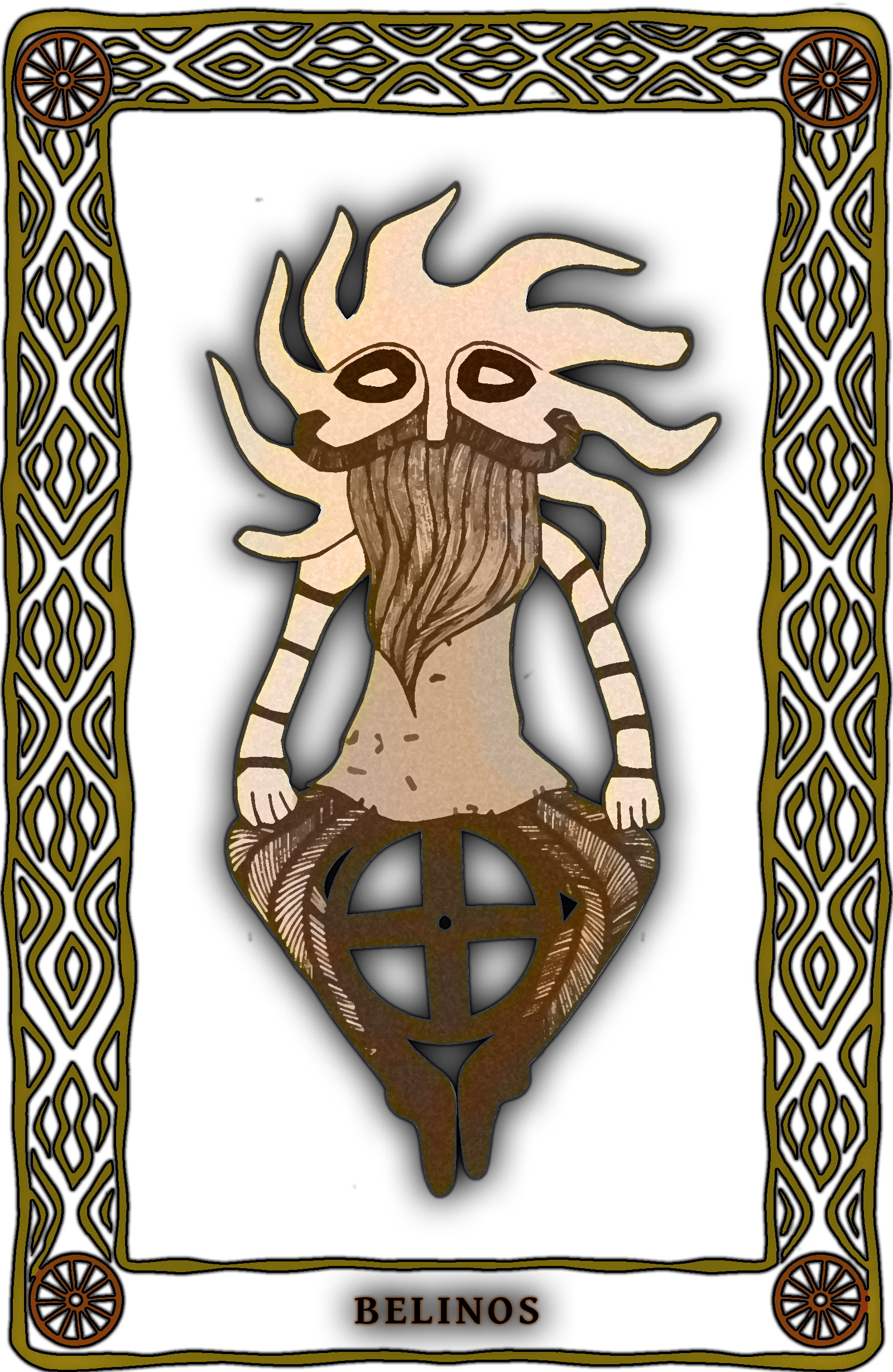
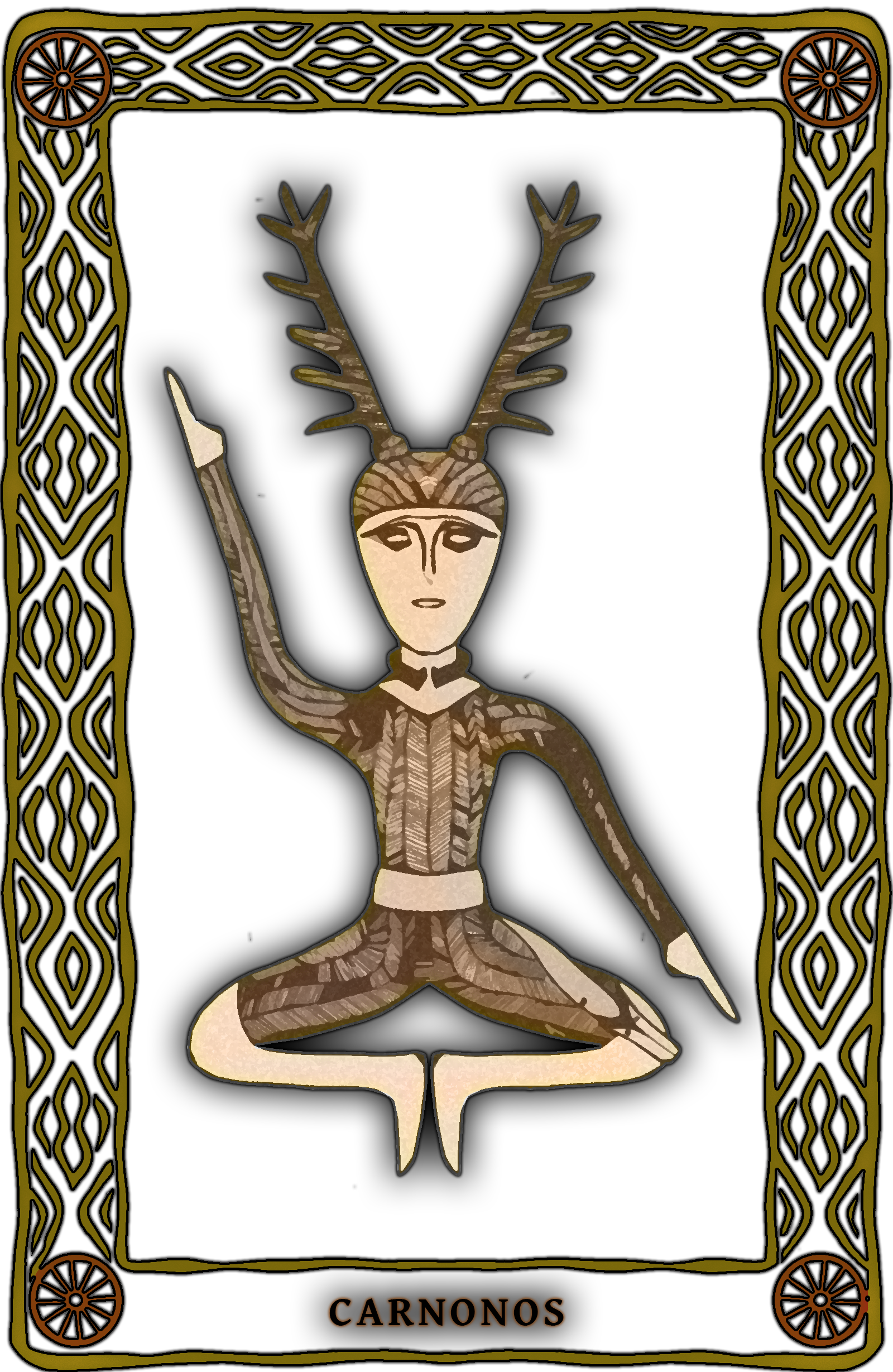
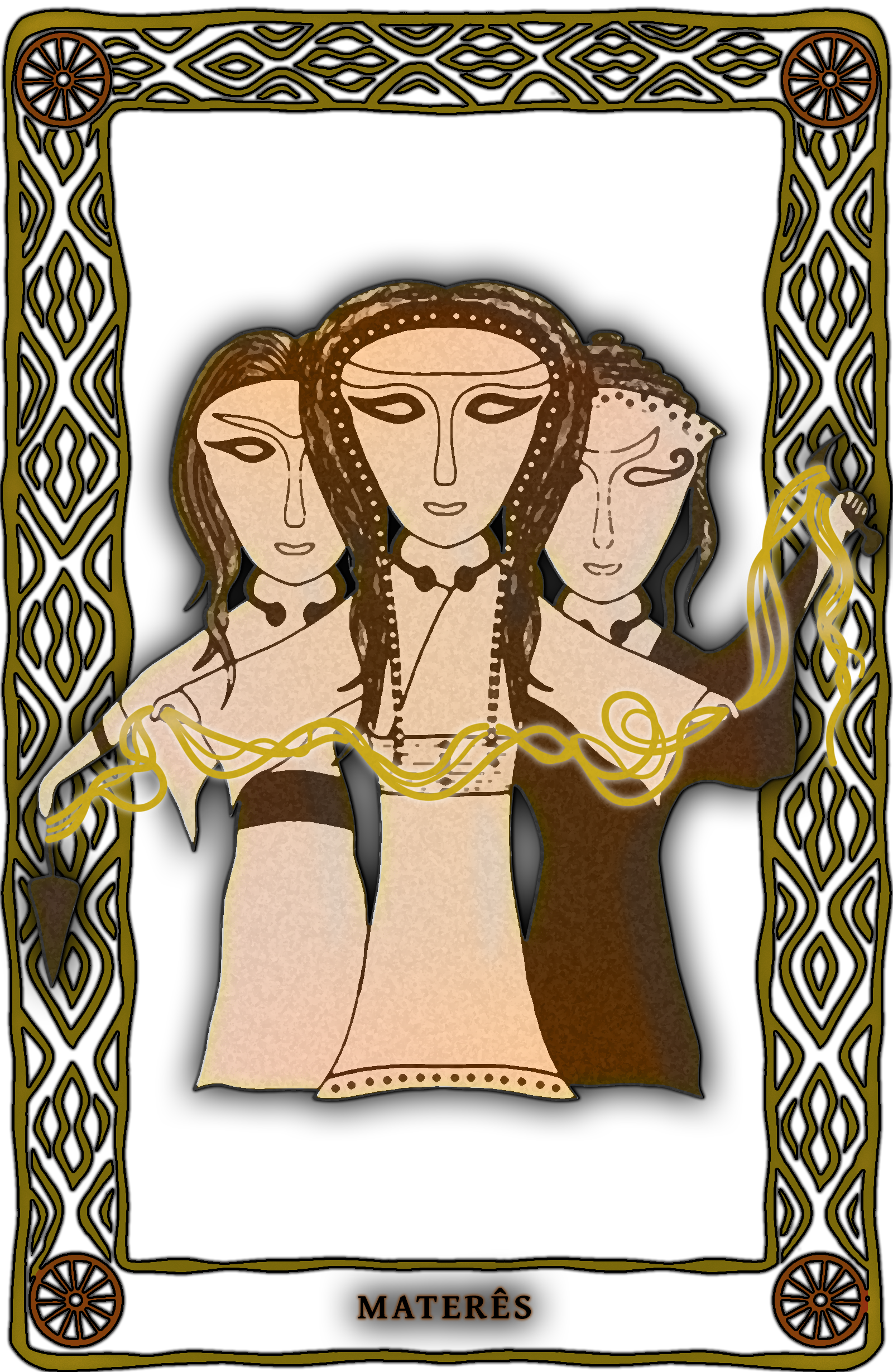

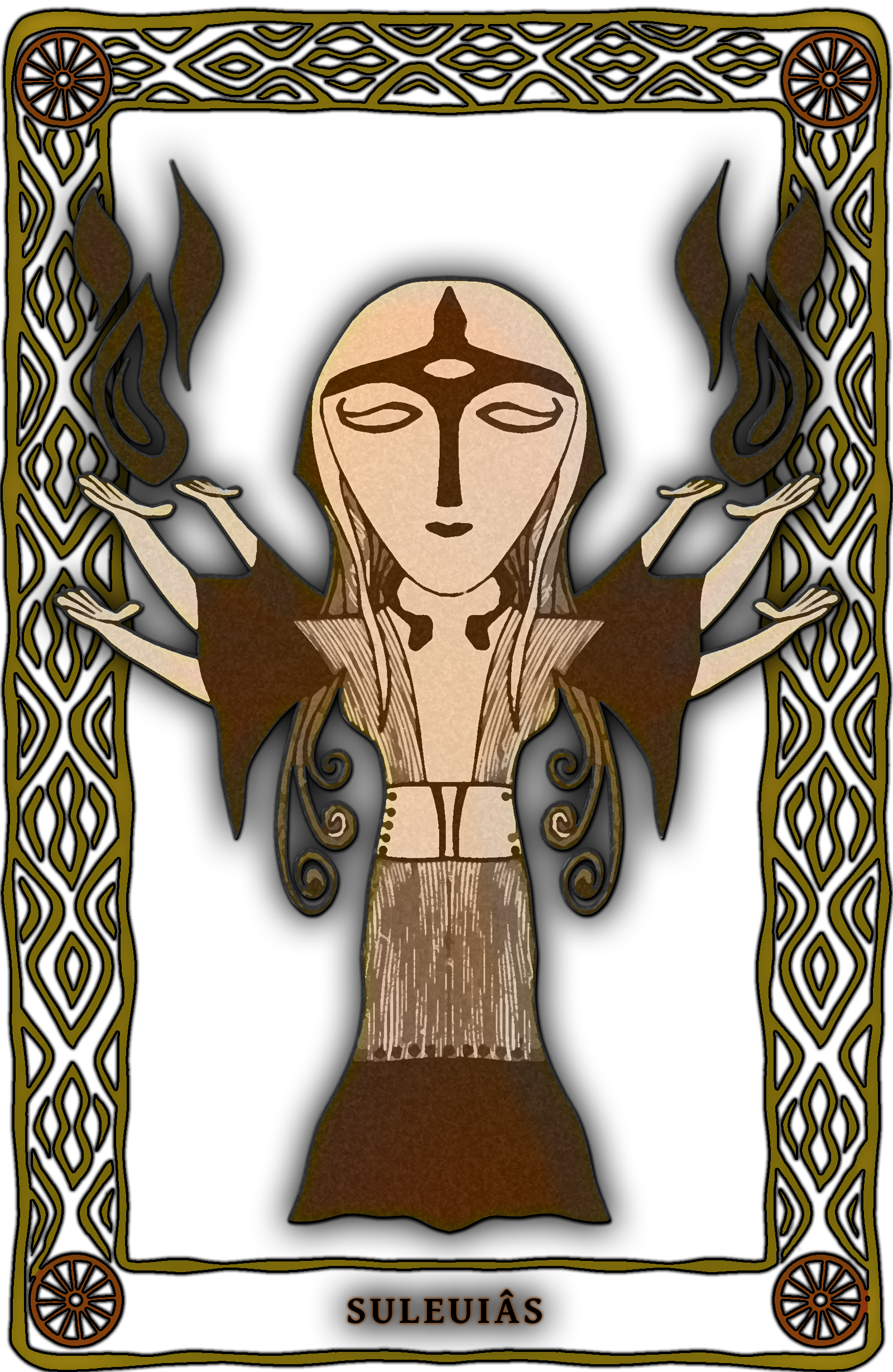


 Bessus Nouiogalation